
Exploring the Exciting World of FortunePig
Discover the thrilling features and gameplay of FortunePig, a game that's captivating players worldwide.


Understanding the concept of a user agreement is essential for any individual interacting with online services. A user agreement, sometimes referred to as terms of service or terms and conditions, is a legally binding contract between a service provider and the user. It governs the relationship, defines the rights and responsibilities, and provides guidelines for using a particular service or product. When engaging with a platform like SagisagPH.COM, it is crucial to comprehend these agreements to ensure both legal compliance and protection of rights.
User agreements play a pivotal role in establishing clear expectations and obligations for both parties. For platforms like SagisagPH.COM, these agreements help protect their intellectual property, outline permissible uses of their content, and limit liability for user actions. For users, understanding the agreement ensures they know what is permitted, potential charges, and how their personal information is managed. Ignorance of such terms can lead to unintended breaches, resulting in account termination or legal action.
A typical user agreement includes several critical components that establish the framework of service usage. One such component is the definition of terms, which clarifies the meanings of key phrases and legal jargon. This section is crucial for ensuring clear communication. Additionally, usage rights outline what users can and cannot do with the platform’s services or content. Intellectual property rights are also commonly addressed, clarifying ownership of content and restrictions on its reproduction or distribution.
In an era where data privacy is paramount, user agreements often include sections on privacy policies. Platforms like SagisagPH.COM specify how user data is collected, stored, used, and shared. These clauses are crucial for compliance with regulations like the General Data Protection Regulation (GDPR) in Europe or the California Consumer Privacy Act (CCPA) in the United States. By accepting these terms, users grant consent for their data to be handled in specified ways.
User agreements often include limitation of liability clauses, which aim to protect the service provider from excessive legal responsibility. This section typically states that the platform, such as SagisagPH.COM, is not liable for indirect, incidental, or consequential damages arising from service use. Users are encouraged to engage with services at their own risk, and any risks associated with internet communications are borne by the user.
User agreements commonly include clauses on dispute resolution methods and governing law. These clauses specify how disagreements will be resolved, whether through arbitration, mediation, or the court system. They also detail which jurisdiction's laws will govern the agreement, providing a clear legal context for resolving disputes. This transparency promotes trust and clarity between the user and the platform.
Platforms frequently reserve the right to modify terms at their discretion, with modified terms becoming effective upon posting. It is the users' responsibility to review these changes regularly. The agreement will also delineate conditions under which either party can terminate the agreement, such as breaches of terms or cessation of service. Understanding these terms is critical to maintaining continued access and compliance with services like SagisagPH.COM.
A robust user agreement respects consumer rights by providing fair terms and transparent information. It should not include unfair conditions that unduly favor the provider over the user. For instance, limitations on liability must not infringe on statutory rights that protect consumers from negligence or fraudulent activities. Platforms like SagisagPH.COM aim to balance these rights to attract and maintain a trusting user base.
In the digital age, user agreements serve as essential tools for delineating the relationship between users and service providers. By clearly defining expectations, responsibilities, and rights, both parties can navigate the digital landscape with confidence and clarity. While it is easy to skim over these agreements during registration, taking the time to understand them is a prudent step towards informed and secure service usage. Whether engaging with content on SagisagPH.COM or any other platform, users are encouraged to familiarize themselves with the terms to ensure a harmonious and legally compliant digital experience.
If you're looking for a reliable, fully licensed, and secure sportsbook with a wide selection of games, SagisagPH.COM is the perfect choice. We're committed to providing you with the best online betting experience, with premium quality, excellent service, and continuous innovation. Sign up now and receive ₱777 for free!
Join now
Get the latest information, experience and betting strategies from the expert team at SagisagPH.COM.
Discover the thrilling features and gameplay of FortunePig, a game that's captivating players worldwide.

Discover the captivating world of TotemWonders, a newly launched game by SagisagPH.COM, that combines strategy, culture, and adventure.

Explore BonanzaWheel, a captivating game by SagisagPH.COM, featuring thrilling gameplay and unique rules for an immersive experience.

FireChibiM is taking the gaming world by storm with its unique features and captivating gameplay. Learn about its introduction, rules, and how it relates to current affairs.
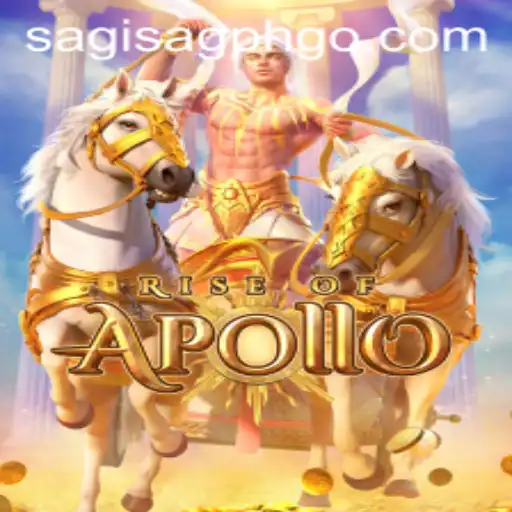
Explore the captivating universe of 'Rise of Apollo,' where ancient mythology meets modern gaming. Immerse yourself in a world where strategy and skill determine your fate.

Discover the thrill of DragonWarrior, an immersive role-playing game that combines strategic combat and rich storytelling. Dive into the game's world, understand its rules, and get insights into current events that shape your adventure.
 Join now